How Renters Warehouse scaled maintenance without losing control
Renters Warehouse is a national residential real estate platform managing about 10,000 corporate doors across 21 markets. As they scaled toward a national footprint, Lula became the engine for their maintenance operation.
- Automation replaced manual routing, so internal teams shifted their focus from logistics to exceptions
- Technician arrival times and time on site, visible to leadership for the first time
- Seasonal HVAC tune-ups and winterizations standardized across 21 markets
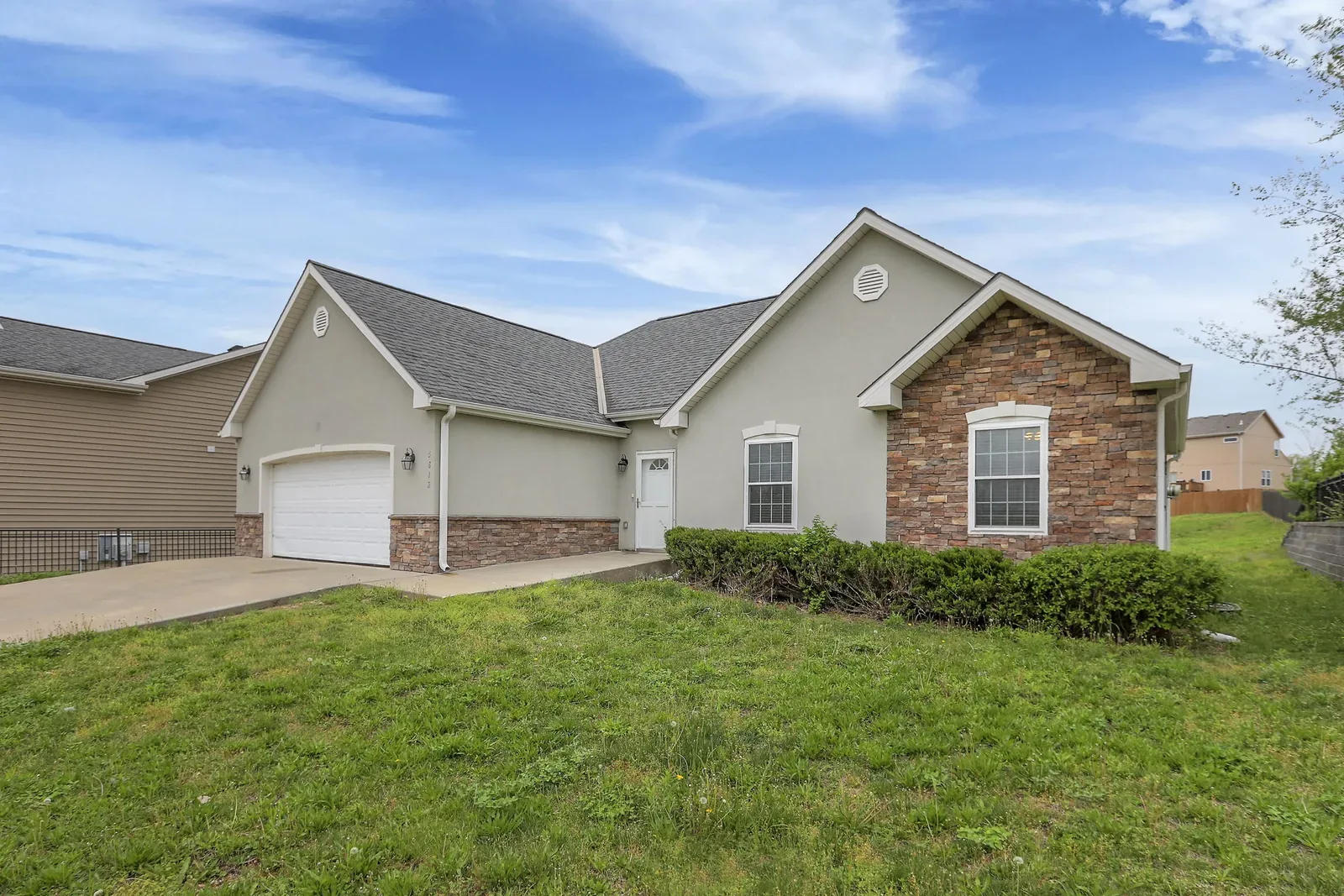
21 markets
A single maintenance system across about 10,000 corporate doors
Company
Renters Warehouse
Footprint
National, 21 markets
Portfolio
About 10,000 corporate doors
Franchise
6,000 to 7,000 more doors
“Lula gave us insights we didn’t have before around key aspects of a work order, like tech on-site time, arrival times, and how long it’s been with a vendor.”
The starting point
Where scale introduced friction
Processes that feel seamless at 500 units begin to fracture at 5,000 and become a liability at a national scale. Expansion into dozens of markets inevitably created noise. Vendor coverage was uneven, as some markets were responsive while others lagged.
Internal teams found themselves acting as switchboard operators, spending more time chasing status updates than resolving work orders. As work orders moved through various vendors, leadership lost the ability to see the context behind the data. How long were jobs actually taking? When did the technician arrive?
Without clear answers, property managers were stuck in a reactive loop, fielding frustrated calls from residents and owners without the insight needed to respond confidently.
“Scalability has always been a challenge because not every vendor is in every market, and not every vendor has capacity.”
Josh Zupfer, VP of Portfolio Services, Renters Warehouse
Renters Warehouse at a glance
The evaluation
Three things Renters Warehouse needed from a partner
Maintenance was already a critical part of the resident experience, so any change needed to be incremental and collaborative.
Need 1
A path to people
Automation for routine coordination, with clear paths to human intervention for the edge cases.
Need 2
Optionality
High-volume coordination that lets strong local vendor relationships stay in place.
Need 3
Room to grow
Test, learn, and expand over time, instead of a large transition upfront.
“Their willingness to collaborate on what we needed them to do, versus telling us ‘this is how we do it,’ was a big factor.”
Josh Zupfer, VP of Portfolio Services
What changed
A de-cluttered maintenance operation
Screens below are examples for illustration.
Operational velocity
Automation replaced manual routing. By reducing the administrative burden of assigning and tracking jobs, internal teams shifted their focus from logistics to exceptions.
Team action needed: None. Only exceptions come back to the property manager.
Granular visibility
For the first time, leadership had a “GPS view” of the portfolio. They gained insight into technician arrival times and actual time on site. This data didn’t just help them manage Lula; it helped them benchmark their entire vendor ecosystem.
Market view: The same fields roll up by market, so leadership can compare every vendor on arrival and on-site time.
Consistent communication
Automated, real-time updates bridged the gap between the work being done and the resident’s awareness of it. By setting clearer expectations through technology, they reduced the “status update” call volume significantly.
Your repair is scheduled for Wednesday between 9 and 11 AM.
Your technician is on the way.
Your repair is complete. Reply if anything still isn’t working.
The takeaway
Scaling with intention
By treating maintenance as a core operational system, with Lula as the engine for that system, Renters Warehouse achieved a rare balance of structure and adaptability. They standardized seasonal services like HVAC tune-ups and winterizations across 21 markets, while simultaneously preserving the local flexibility that makes their service unique.
Results
What changed after partnering with Lula
Teams focused on exceptions
Automation took over assigning and tracking jobs, so internal teams stopped acting as switchboard operators.
Arrival and on-site time for every job
Leadership can see how long a work order has been with a vendor and use the data to benchmark the whole vendor ecosystem.
Fewer status update calls
Automated, real-time updates keep residents informed while the work is underway.
Seasonal services standardized in 21 markets
HVAC tune-ups and winterizations run the same way everywhere, with local vendor relationships still in place.
Learn how Lula supports maintenance operations at scale
Lula helps property managers coordinate maintenance across markets without losing visibility or control. Speak to a member of our team today.